Do you need a licensed and insured landscaper in Ontario
By Diego Fischer · Updated 2026-06-27
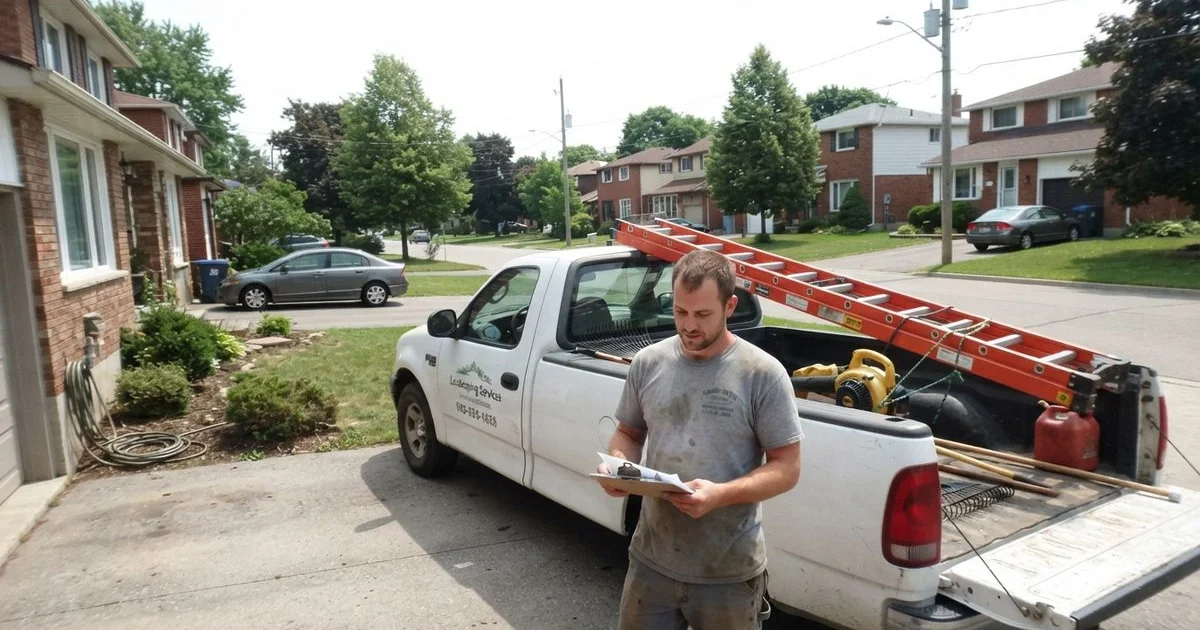
“Licensed and insured” gets used loosely in landscaping ads, and it’s worth understanding what it actually means before you take it at face value. This is general information, not legal advice; confirm what applies to your specific project and municipality.
What “licensed” typically means in this niche
Landscaping as a general trade isn’t broadly licensed the way plumbing or electrical work is in Ontario, but pieces of a larger project can touch regulated areas: certain hardscaping work near property lines, drainage changes, or anything requiring a municipal permit falls under separate rules covered by permits rather than a landscaper-specific license. A company advertising “licensed” should be able to tell you specifically what that license covers.
Business registration is a separate, simpler thing worth checking too. A legitimate landscaping business should be registered and able to provide basic business information on request, which is a low bar but still worth confirming before handing over a deposit.
What “insured” actually covers
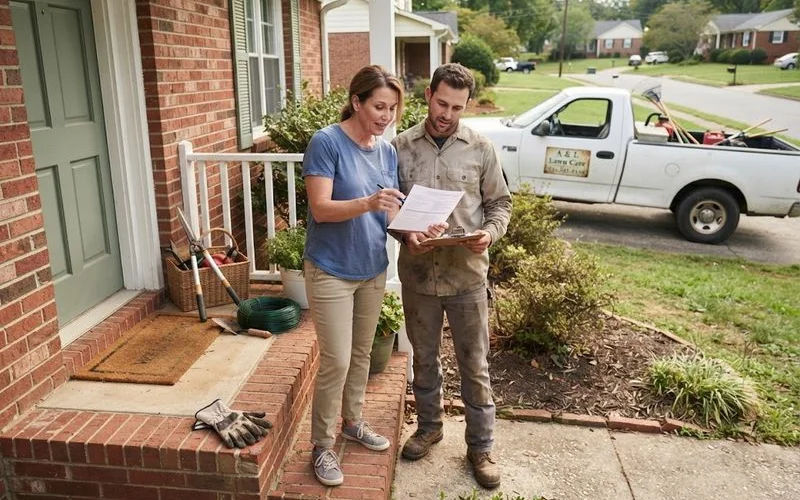
Insurance for a landscaping company generally means commercial general liability coverage, which can respond if their work damages your property or causes an injury. Coverage amounts vary widely between businesses, from modest policies to several million dollars, and a homeowner has no way to know which without asking directly.
Some larger or specialized companies also carry equipment or vehicle-specific coverage on top of general liability, which matters more for projects involving heavy machinery or excavation near your home. For a routine mowing or small planting job, this level of coverage is less critical to confirm; for a major hardscaping or grading project, it’s worth a direct question about what specifically is covered if equipment damages your driveway, a fence, or underground utilities. A brief email exchange confirming this is enough; it doesn’t need to be a formal negotiation.
| What to ask about | Why it matters |
|---|---|
| Certificate of insurance | Proof the coverage is real and current, not just claimed |
| Coverage amount | Bigger projects warrant higher coverage limits |
| WSIB coverage for the crew | Protects you if a worker is injured on your property |
| Whether subcontractors are covered too | Some companies subcontract parts of a job |
Why this matters more for bigger projects
A quick mowing visit carries relatively low risk if something goes wrong. A major hardscaping or grading project, with heavy equipment, excavation, and crews working close to your house, carries real exposure if something goes sideways and the company isn’t properly insured. The bigger and more invasive the project, the more this is worth confirming upfront rather than assuming.
This also applies if a project involves digging near underground utilities, a fence shared with a neighbour, or anything that could affect a structure beyond your own property. A properly insured contractor protects you from being on the hook personally if that kind of damage happens during the work.
How to verify before you hire
Ask directly for a certificate of insurance, which a legitimate business can provide from their insurer without much delay. A company that’s cagey about proof of insurance, or claims it but can’t produce documentation, is a reasonable reason to keep looking. It costs you nothing to ask, and it’s a fast way to separate a serious business from one operating without a real safety net.
If you’re hiring specifically for winter service, who’s liable for snow and ice on your property covers what to check in that particular contract.
For a project of any real size, consider asking your own home insurance provider whether they’d want to see this documentation too, since some homeowner policies have expectations around contractors working on the property. It’s a quick call that can prevent a coverage gap you wouldn’t otherwise think to check for.
What reviewers say matters here
Trust signals like insurance and proper coverage show up repeatedly in what separates a business worth hiring from one that leaves a homeowner exposed if something goes wrong mid-project. It’s a quieter concern than price or workmanship, but it’s the one that matters most if something does go wrong.
To find landscapers in Ontario who’ve confirmed proper licensing and insurance coverage, browse the licensed and insured category, scored using our methodology, or explore the full Ontario landscaper directory for other categories.
FAQ
- Is a general landscaping license required in Ontario?
- Landscaping itself is not a broadly licensed trade the way electrical or plumbing work is, but specific activities within a project, like certain hardscaping or drainage work, may require permits or fall under other regulated trades. This is general information, not legal advice; confirm what applies to your specific project.
- What does 'insured' actually mean for a landscaping company?
- It usually means the business carries commercial general liability insurance, which can cover property damage or injury caused by their work. Coverage amounts and terms vary, so ask to see proof rather than taking the word 'insured' at face value.
- How do I verify a company's insurance before hiring them?
- Ask for a certificate of insurance directly from the company or their insurer, showing coverage amount and expiry date. A legitimate business should be able to provide this without hesitation.
- Does WSIB coverage matter for a landscaping company?
- Yes, if you want protection in case a worker is injured on your property. WSIB coverage for the crew reduces your exposure if someone gets hurt during the job. Ask whether the crew is covered, not just the business owner.