Lawn chemical and pesticide safety rules in Ontario
By Diego Fischer · Updated 2026-07-01
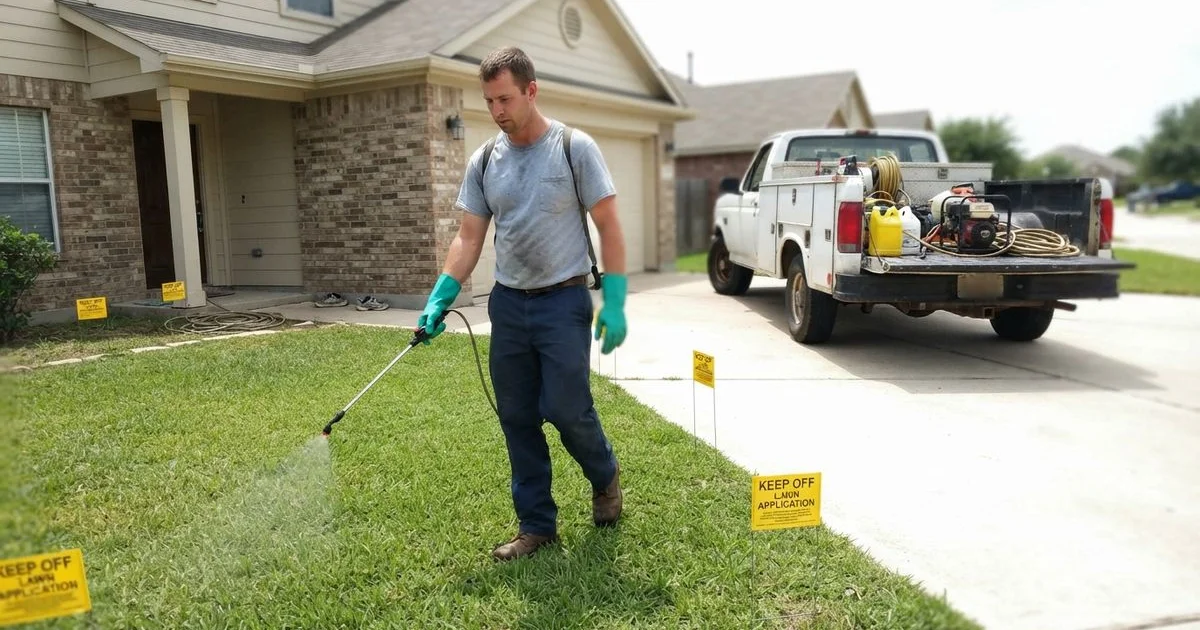
Ontario restricts cosmetic pesticide use on lawns, which changed how a lot of lawn care in this province works, and left some homeowners unsure what’s actually permitted anymore. This is general information, not legal or medical advice; confirm current specifics with your provider or the relevant authority if it matters to your situation.
What the restriction generally covers
The rule targets cosmetic use, meaning pesticide applied purely to make a lawn look better rather than to address a genuine pest or health issue. Certain products and situations carry exemptions, including some pest infestations and specific approved products. In practice, this pushed a lot of routine lawn care toward organic fertilizing, overseeding, and mechanical weed control as the default rather than the exception.
This shift has actually reshaped what a “normal” lawn care program looks like across the province, with soil health and prevention taking a bigger role than they used to, rather than treatment being the first response to every problem.
What’s typically still available
| Category | Typical status |
|---|---|
| Organic and slow-release fertilizer | Generally available, not restricted |
| Cosmetic-only pesticide for weeds | Restricted, with limited exemptions |
| Pesticide for a genuine pest infestation | May qualify for an exemption, product-specific |
| Mechanical and manual weed control | Not restricted, commonly used as an alternative |
Any lawn care company operating legally in Ontario should be able to explain clearly what they use and why, and whether it falls under an exemption if it’s a restricted product. A provider who deflects a direct question about specific products is worth a second look before you book.
Storage and disposal of any lawn products, even the permitted organic ones, is worth a moment’s thought too, particularly in a household with young kids or curious pets. Keep any bagged product in its original container, out of reach, and follow the label’s disposal guidance for anything left over at the end of the season rather than leaving a partial bag in an accessible garage or shed.
Keeping a lawn safe for kids and pets
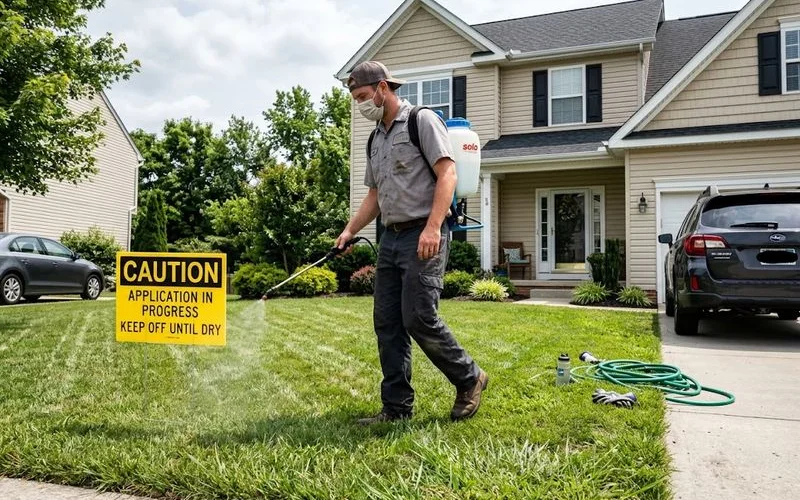
Whatever product is used, ask for the specific re-entry time (how long people and pets should stay off the treated area) rather than assuming a general rule applies, since this varies by product. Posting a treatment date somewhere visible, or setting a reminder, helps make sure the re-entry window is actually respected rather than forgotten by the next day.
If you’re managing your own lawn products rather than hiring it out, keep a simple record of what you applied and when. This makes it much easier to answer a re-entry question honestly if a neighbour’s kids or pets end up on your lawn, and it also helps you avoid accidentally over-applying a product because you’ve lost track of the last application date.
If you have a specific sensitivity, a pet that spends a lot of time outdoors, or young kids who play directly on the grass, it’s worth having a direct conversation with your provider about exactly what’s applied and when, rather than a general assumption that “organic” or “eco-friendly” automatically means zero precautions needed.
If a neighbouring property is treated and you share a fence line, it’s reasonable to ask a neighbour when they’ve had work done too, particularly if you have a pet or small child who might wander close to a shared boundary shortly after an application.
Questions worth asking your lawn care provider
Ask what specific products they use for fertilizing and any weed or pest treatment, whether any of it requires a re-entry period, and what their approach is if you’d prefer to avoid pesticide entirely, even for a genuine infestation. A provider confident in their approach should answer directly rather than deflecting.
Organic and reduced-input lawn care, using compost and overseeding instead of synthetic products, is a common alternative worth asking about if pesticide use is a concern for your household. Fertilizing and weed control pricing is usually separate from mowing; see what lawn care and maintenance typically costs in Ontario for a sense of typical ranges. To compare lawn care providers on communication and transparency in your area, see the lawn care and maintenance category, ranked using our methodology, or browse the full Ontario landscaper directory for other services.
FAQ
- Are all pesticides banned for lawn use in Ontario?
- Ontario restricts cosmetic pesticide use on lawns and gardens, with some exemptions for specific pest and disease situations. This is general information, not legal advice; ask any provider exactly what products they use and confirm current rules directly if it matters to your situation.
- How long should kids and pets stay off a lawn after a treatment?
- This depends entirely on the specific product used. Ask your provider for the exact re-entry time for whatever they applied, and follow it, rather than guessing based on a general rule of thumb.
- Are organic lawn treatments completely risk-free?
- Organic doesn't automatically mean risk-free for every product, though many organic options do reduce a specific exposure concern. Ask what's in any product before assuming it needs no precautions at all.
- How can I tell what products a lawn care company uses?
- Ask directly before booking, and ask for it in writing if you have a specific health or pet-safety concern. A provider who can't or won't answer clearly is worth a second thought.